
Mohs Surgery Guided by Experience and Compassion
At Cahaba Dermatology, we specialize in Mohs surgery, a precise surgical technique used to treat certain types of skin cancer. Our experienced dermatologists are dedicated to providing thoughtful, personalized care while focusing on the best possible outcomes for each patient. Mohs micrographic surgery is an advanced treatment known for its high cure rates and its ability to preserve as much healthy skin as possible. The procedure is performed by removing cancerous tissue layer by layer and carefully examining each layer under a microscope until all cancer cells are removed.
If you’ve been diagnosed with skin cancer or referred for Mohs surgery, having a team you trust can make all the difference. At Cahaba Dermatology, we take the time to answer your questions, explain each step of the process, and ensure you feel supported throughout your care. Scheduling an appointment allows our team to evaluate your needs and discuss whether Mohs surgery is the right option for you.
What to Expect Before, During, and After Mohs Surgery
Before undergoing Mohs surgery, patients will typically have a consultation with our dermatologist to discuss the procedure, address any concerns, and develop a personalized treatment plan. Some general preparation steps may include:
Medical History: Provide a comprehensive medical history, including current medications and any allergies.
Skin Examination: Our dermatologist will perform a thorough examination of the skin to identify the extent of the cancerous lesion.
Instructions: Follow any pre-surgery instructions provided by our medical team, which may include avoiding certain medications or skincare products.
Surgical appointments may require an extended duration, often spanning several hours. We kindly ask all patients to be prepared for this possibility and to wear comfortable attire. For your comfort during surgery, we offer options such as Pronox or anxiolytics to help you feel more at ease.
Mohs surgery is performed in sequential stages, all completed within a single visit, with waiting periods between stages while tissue is examined.
Step 1: Examination and Preparation
Depending on the location of the skin cancer, the patient may wear street clothes or a hospital gown. The Mohs surgeon examines the biopsy site, may mark the area for reference, and positions the patient accordingly. Local anesthesia is administered to fully numb the area, allowing the patient to remain awake during the procedure.

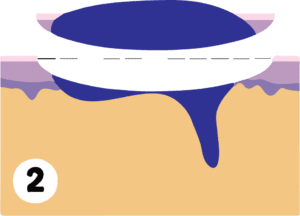
Step 2: Removal of the Top Layer
Using a scalpel, the surgeon removes a thin layer of visible cancerous tissue. Because some skin cancers have deeper roots, additional evaluation is often necessary. The wound is temporarily bandaged while laboratory analysis takes place.
Step 3: Laboratory Analysis
The removed tissue is carefully sectioned, color-coded, and mapped. Thin horizontal slices are prepared, stained, and examined under a microscope in an on-site laboratory, a detailed process that takes time.
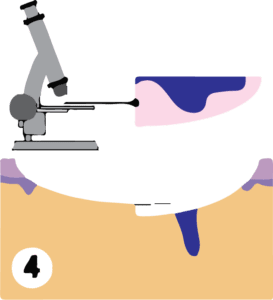
Step 4: Microscopic Examination
The surgeon examines the tissue under the microscope and marks any remaining cancer cells on the map. If cancer cells are identified, their precise location is noted for further removal.
Step 5: Removal of Additional Layers
If cancer cells remain, additional anesthesia is given and another thin layer of tissue is removed only from the affected areas. This process is repeated until no cancer cells are detected, preserving as much healthy tissue as possible.

Step 6: Wound Repair
Once the area is confirmed to be free of cancer, the wound may be allowed to heal naturally or closed with stitches, depending on its size and location. In some cases, reconstruction using nearby tissue or a skin graft may be required.
Step 7: Conclusion
The duration of the entire process may vary, potentially lasting several hours. Despite its duration, Mohs surgery offers high cure rates and minimizes scarring by preserving healthy tissue. Adhering to post-operative care instructions is crucial for optimal outcomes.
After the procedure, patients receive detailed post-operative instructions to support healing and reduce the risk of complications. These may include:
Wound Care: Instructions for cleaning the area and applying prescribed medications or dressings.
Activity Restrictions: Avoiding strenuous activity or anything that could disrupt the surgical site during early healing.
Follow-Up: Attending scheduled follow-up visits to monitor healing and address concerns.
Sun Protection: Protecting the treated area from sun exposure using sunscreen and protective clothing.